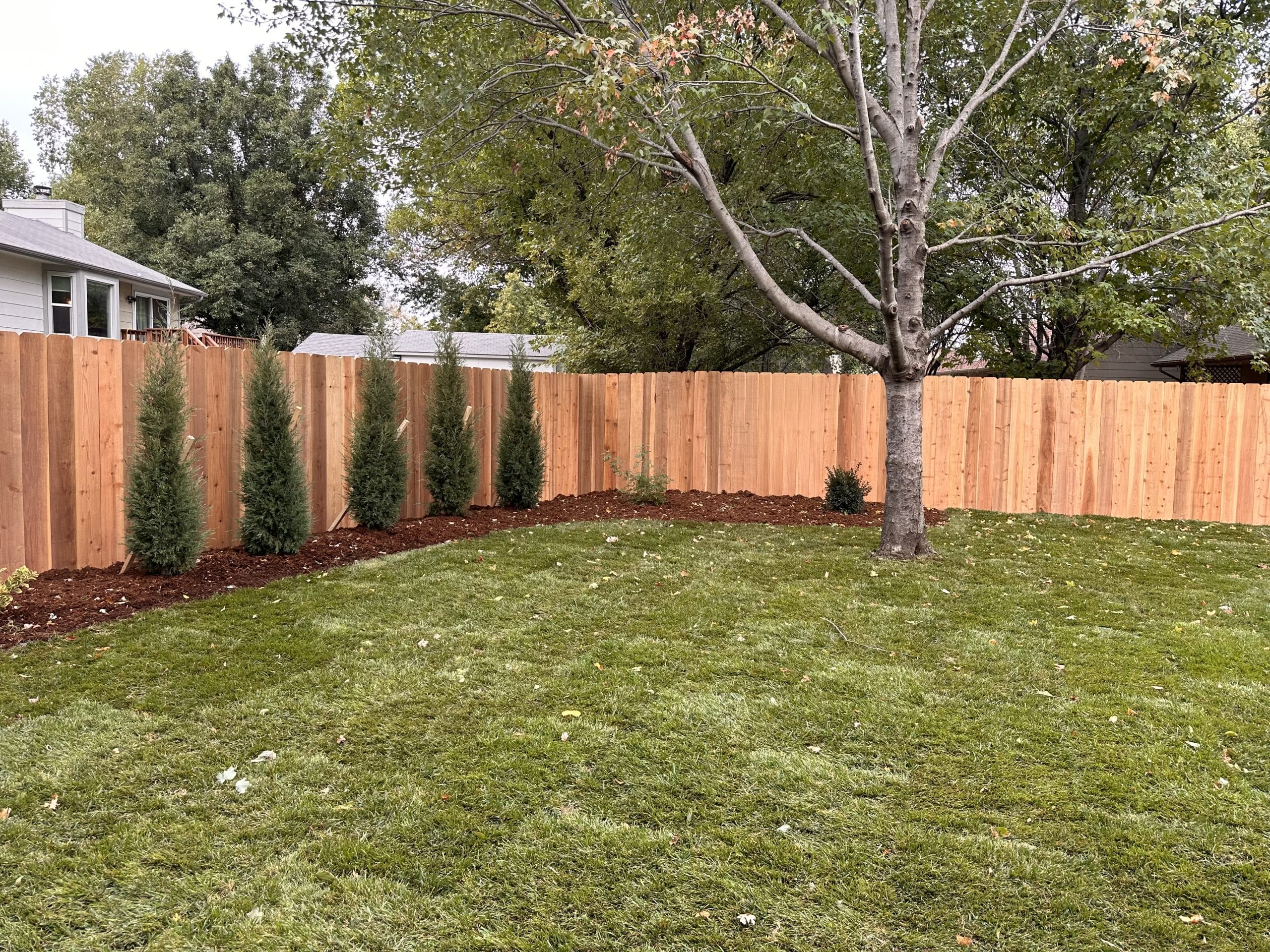
When the time comes to replace a fence, the choice of materials will have a significant impact on the durability, appearance, and cost of the project. Selecting high-quality materials is crucial for ensuring the longevity and effectiveness of the fence. Whether the goal is to enhance privacy, improve security, or simply update the aesthetic appeal of a property, understanding the options available is essential. This article discusses some of the best materials for fence replacement, considering factors such as longevity, maintenance, and style.
Wood: A Classic Choice
Wood remains a popular choice for fencing due to its natural appearance and versatility. It can be customized to suit various styles and is relatively easy to work with. However, not all wood is created equal, and choosing the right type is important to ensure durability.
- Cedar: Known for its natural resistance to rot and insects, cedar is a great choice for outdoor use. It also has a pleasant aroma and a beautiful grain.
- Redwood: Offers a rich color and high resistance to decay, making it an excellent option for long-lasting fences.
- Pine: Typically treated to resist pests and rot, pine is a more budget-friendly option compared to cedar or redwood.
For those interested in wood fencing, read more about this topic to discover the best practices for installation and maintenance.
Vinyl: Low Maintenance and Durable
Vinyl fencing has gained popularity for its low maintenance requirements and long-lasting nature. It does not need painting or staining and is resistant to pests and rot.
- Durability: Vinyl fences can withstand harsh weather conditions without deteriorating.
- Variety: Available in a range of colors and styles, vinyl can mimic the appearance of wood or offer a modern look.
- Maintenance: Simple cleaning with soap and water is usually sufficient to keep vinyl fences looking new.
To explore further insights here, consider the pros and cons of vinyl versus other materials.
Metal: Strong and Secure
Aluminum
Aluminum fencing combines the strength of metal with the advantage of being lightweight and resistant to rust. It is suitable for both residential and commercial properties.
- Style: Available in various designs, aluminum can add elegance to any property.
- Maintenance: Minimal upkeep is required, as aluminum does not rust.
- Cost: Generally more affordable than wrought iron, aluminum offers a budget-friendly metal option.
For those considering aluminum fencing, learn more in this detailed guide.
Wrought Iron
While more expensive, wrought iron offers unmatched strength and a classic appearance. It is often used for decorative purposes.
- Security: Its robust nature makes it an excellent choice for security fencing.
- Customization: Can be crafted into intricate designs, adding unique character to properties.
- Maintenance: Requires periodic painting to prevent rust, but this effort is often worth the visual appeal.
For additional information on metal fencing options, find additional information here.
Composite: Eco-Friendly and Versatile
Composite fencing, made from a combination of recycled wood and plastic, offers an environmentally friendly option that doesn?t sacrifice performance.
- Durability: Resistant to rot and insect damage, composite materials are built to last.
- Appearance: Can mimic the look of wood while providing greater longevity.
- Maintenance: Requires little upkeep, making it an attractive choice for busy homeowners.
To learn more about composite materials and their benefits, consider reviewing detailed guides on the subject.
Selecting the right material for fence replacement is a decision that impacts both the functionality and aesthetic of a property. From traditional wood to modern composites, each material offers unique advantages. By carefully evaluating these options, property owners can make informed decisions that align with their needs and preferences. For a deeper dive into these materials and their applications, explore the range of resources available at Preferred Fencing.