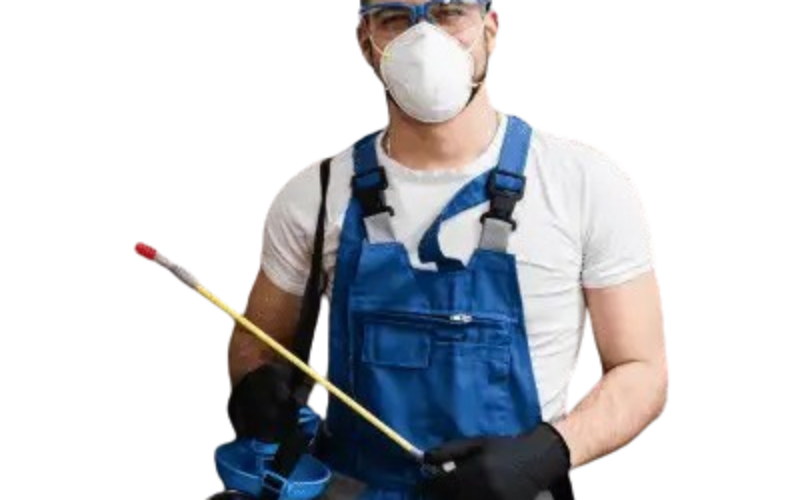
Insect infestations can pose significant challenges to both residential and commercial properties. These unwanted guests not only cause structural damage but also pose health risks. Understanding and implementing effective insect control solutions is vital for maintaining a safe and healthy environment. This article delves into expert insect control techniques, providing a comprehensive guide to managing and mitigating insect-related issues.
Understanding Insect Behavior and Habitats
Before implementing control measures, it is crucial to understand the behavior and habitats of common insects. This knowledge aids in identifying potential entry points and breeding grounds.
- Habitat Identification: Recognizing where insects are likely to thrive helps in targeting control efforts effectively. For instance, cockroaches prefer warm, moist environments, while termites are attracted to wood.
- Behavioral Patterns: Understanding the feeding and breeding patterns of insects can help in disrupting their lifecycle. Learn more in this detailed guide on identifying insect patterns: Explore further insights here.
Key Strategies for Effective Insect Control
Implementing a strategic approach to insect control ensures long-term success. These strategies involve a combination of preventive and reactive measures.
Preventive Measures
- Sanitation: Maintaining cleanliness is fundamental to preventing infestations. Regular cleaning of food storage areas and disposal of waste reduces attractants.
- Exclusion Techniques: Sealing cracks and crevices, installing door sweeps, and using window screens help prevent insects from entering buildings. Learn more about exclusion methods: Find additional information here.
- Environmental Modification: Reducing moisture levels and removing clutter can deter insect habitation.
Reactive Measures
- Chemical Control: The use of pesticides can be effective but should be applied judiciously to minimize environmental impact. It’s essential to follow label instructions and consider professional application.
- Biological Control: This involves using natural predators or parasitoids to control insect populations. It is an eco-friendly alternative to chemical methods.
- Mechanical Control: Traps and barriers can physically remove or block insects. Read more about this topic: Learn more in this detailed guide.
Importance of Professional Insect Control Services
While some insect control methods can be implemented independently, professional services are often necessary for severe infestations. Professionals bring expertise, specialized equipment, and comprehensive solutions that address the root of the problem.
- Assessment and Identification: Professionals conduct thorough inspections to accurately identify the type of infestation and its extent.
- Customized Treatment Plans: Tailored strategies are developed based on the specific insect problem and the property’s unique needs.
- Long-term Monitoring: Ongoing monitoring and maintenance prevent re-infestation and ensure the effectiveness of control measures. Explore further insights here: Find additional information here.
Conclusion
Effective insect control requires a strategic blend of understanding insect behavior, implementing preventive measures, and utilizing professional services when needed. By adopting these expert solutions, property owners can safeguard their environments against the adverse effects of insect infestations. For those seeking more detailed insights and strategies, additional resources can be found here: Explore further insights here.