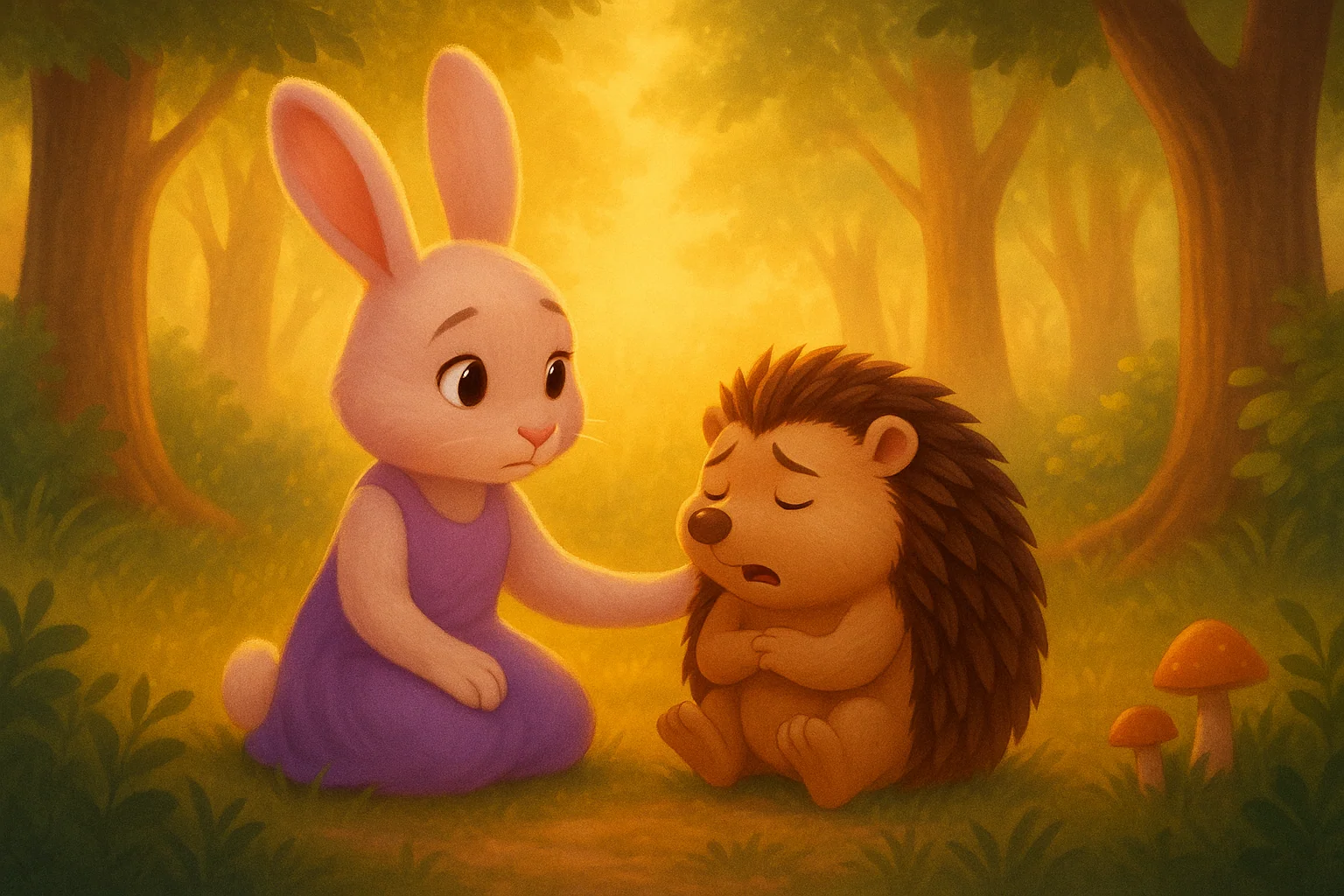
Social and emotional learning (SEL) is increasingly recognized as an essential component of education, fostering skills such as empathy, self-awareness, and relationship building. Rabbit picture books, often cherished for their engaging narratives and delightful illustrations, provide a unique and effective medium for teaching these skills to children. These stories not only capture the imagination but also offer valuable lessons that can be internalized and applied in real-world scenarios. By exploring how rabbit-themed literature can be used to cultivate SEL skills, educators and parents can discover innovative approaches to childhood development.
The Role of Children’s Literature in SEL
Children’s literature serves as a powerful tool in the development of social and emotional skills. Rabbit picture books, in particular, are effective due to their relatable characters and accessible storytelling. Through these narratives, children can:
- Explore complex emotions and learn to express themselves.
- Understand different perspectives and develop empathy.
- Learn problem-solving skills and conflict resolution strategies.
By integrating rabbit-themed stories into learning experiences, educators can create a bridge between literary exploration and the practical application of SEL concepts. Explore advanced guides and tips on utilizing literature for SEL development.
Key Lessons from Rabbit Picture Books
Empathy and Understanding
Rabbit stories often depict characters in diverse situations that require understanding and compassion. For instance, a narrative might involve a rabbit helping a friend in need, illustrating the importance of empathy. Such stories teach children to:
- Recognize and respect others’ feelings and perspectives.
- Develop a sense of compassion and caring.
- Engage in cooperative and supportive interactions.
For more on how to nurture empathy in children through literature, find out more about this approach.
Building Resilience
Rabbit characters often face challenges and obstacles, mirroring real-life situations that children might encounter. These stories provide lessons in resilience by showcasing how rabbits overcome difficulties through perseverance and adaptability. Key takeaways include:
- Understanding that setbacks are a part of life and offer opportunities for growth.
- Learning to adapt to changing circumstances.
- Building confidence through problem-solving and thoughtful decision-making.
Discover expert strategies here to foster resilience in children.
Effective Communication
Communication is a cornerstone of SEL, and rabbit picture books often highlight the importance of listening, speaking, and expressing oneself clearly. Through these stories, children can learn to:
- Articulate their thoughts and feelings effectively.
- Engage in active listening and respectful dialogue.
- Resolve conflicts through communication and compromise.
Learn about our tailored solutions for enhancing communication skills in young learners.
Integrating Rabbit Picture Books into SEL Curriculum
Incorporating rabbit picture books into an SEL curriculum can be both simple and impactful. Educators and parents can:
- Select books that align with specific SEL goals, such as empathy or resilience.
- Use storytelling sessions to discuss and reflect on the lessons learned.
- Encourage creative activities, like drawing or role-playing, to reinforce the themes.
By embedding these narratives into everyday learning, children can experience SEL concepts in an engaging and memorable way. Explore advanced guides and tips for implementing these strategies effectively.
In conclusion, rabbit picture books offer a delightful and effective avenue for teaching SEL skills to children. By leveraging the relatable stories and characters found within these books, educators and parents can foster essential skills that contribute to a child’s overall development. For more resources on integrating SEL through literature, visit the blog for expert insights and practical guidance.