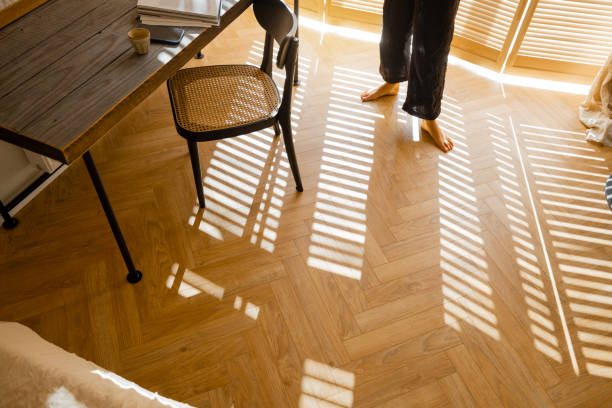
In recent years, the choice between hybrid flooring and traditional timber has become a significant consideration for homeowners and interior designers alike. Each option offers distinct advantages and challenges, making the decision a pivotal one in terms of aesthetics, functionality, and budget. As the flooring industry evolves, understanding the nuanced differences between these two types of flooring is essential for making an informed decision. Whether prioritizing durability, ease of maintenance, or environmental impact, having a comprehensive perspective is crucial. This article delves into the key aspects of hybrid flooring and traditional timber, providing valuable insights for those embarking on their next renovation project.
The Composition and Structure
Hybrid Flooring
Hybrid flooring is crafted from a combination of materials, typically featuring a rigid core made from a limestone composite, topped with a high-resolution decorative layer. This structure provides:
- Water resistance, making it ideal for wet areas like kitchens and bathrooms.
- A wide range of designs and colors.
- Good dimensional stability under varying temperatures.
Discover expert strategies here.
Traditional Timber
Traditional timber flooring is made from solid wood, providing an authentic, classic look. Key features include:
- Natural warmth and beauty.
- Potential for refinishing to restore appearance.
- Durability, lasting decades if maintained properly.
Learn about our tailored solutions here.
Installation and Maintenance
Hybrid Flooring
One of hybrid flooring’s greatest strengths is its ease of installation. The click-lock system allows for a straightforward, floating installation, suitable for DIY enthusiasts. Additionally, its maintenance requires minimal effort, as:
- It can be easily cleaned with a damp mop.
- It is resistant to scratches and dents.
Explore advanced guides and tips here.
Traditional Timber
Installing traditional timber flooring often requires professional help due to the intricacy of handling solid wood. Maintenance involves:
- Regular polishing and occasional refinishing to maintain its luster.
- Protection from moisture to prevent warping.
Find out more about this approach here.
Environmental Impact
Hybrid Flooring
The environmental impact of hybrid flooring largely depends on the materials used in its production. While it offers longevity, the synthetic components can have a less favorable ecological footprint compared to natural materials.
Traditional Timber
Timber, as a natural resource, is biodegradable and can be sustainably sourced. However, it is vital to ensure that the wood is sourced from responsibly managed forests to minimize environmental impact.
Conclusion
Both hybrid flooring and traditional timber offer unique benefits suited to different preferences and needs. Hybrid flooring provides versatility and ease of maintenance, while traditional timber offers timeless elegance and durability. The choice ultimately depends on individual priorities, whether they lean towards style, sustainability, or practicality. By understanding the characteristics of each option, individuals can make informed decisions that align with their vision and lifestyle. For further insights and detailed guidance on flooring options, visit Eurocoast Timber Floors.