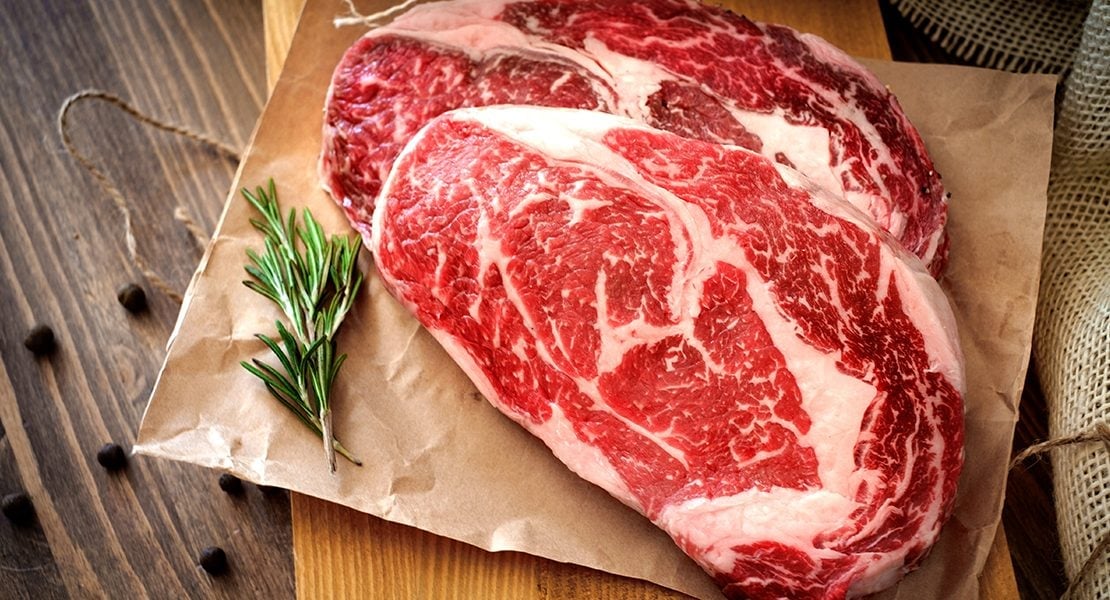
Purchasing beef in bulk can be an excellent way to save money while ensuring a steady supply of high-quality meat for your family or business. With rising food costs and the ever-increasing demand for sustainable and traceable food sources, many consumers are turning to bulk beef sales as a practical solution. This method not only offers financial savings but also provides the assurance of knowing where the product comes from and how it was raised. This article delves into the benefits of buying beef in bulk, the process involved, and how it can be a sustainable choice for both consumers and the environment.
The Advantages of Buying Beef in Bulk
There are numerous benefits to buying beef in bulk, each contributing to a more economical and efficient way of sourcing beef. Some of the primary advantages include:
- Cost Efficiency: Purchasing in larger quantities often reduces the price per pound, offering significant savings.
- Quality Control: Buying directly from farms or trusted suppliers can ensure higher quality and fresher meat.
- Customization: Consumers can often choose specific cuts and processing methods to suit their preferences.
- Environmental Impact: Bulk purchasing can reduce packaging waste and the carbon footprint associated with transportation.
Understanding the Process
When considering bulk beef purchases, it is important to understand the process involved. This typically includes:
Selection and Purchase
The first step is selecting a reputable supplier. It’s advisable to research and communicate directly with the supplier to ensure that their practices align with your values. Once a supplier is chosen, you can discuss the specific cuts and quantities you need.
Processing and Packaging
After the purchase, the beef is processed according to your specifications. This may include choosing the thickness of steaks, the size of roasts, and the type of ground beef. Proper packaging is crucial to maintain quality and freshness over time.
Storage Requirements
Bulk purchases require adequate storage solutions. A large freezer is often necessary to store the beef safely. It is essential to organize the freezer efficiently to rotate the stock and prevent spoilage.
For those interested in the intricate details of the bulk beef purchasing process, read more about this topic.
Sustainability and Health Benefits
Beyond economic advantages, buying beef in bulk can support sustainability and health benefits. Opting for grass-fed or organic beef can have positive implications for personal health and the environment.
Supporting Sustainable Practices
Many bulk beef suppliers focus on sustainable farming practices, including rotational grazing and minimal use of antibiotics. By supporting these suppliers, consumers contribute to more sustainable agriculture practices.
Healthier Meat Options
Grass-fed beef is often higher in essential nutrients like omega-3 fatty acids and vitamins compared to conventional beef. Thus, bulk purchasing of such meat can be a healthier option for consumers.
To understand more about the health and environmental benefits of bulk beef sales, explore further insights here.
Conclusion
Buying beef in bulk can be a prudent and rewarding choice for those looking to save money, ensure meat quality, and support sustainable practices. By understanding the process and benefits, consumers can make informed decisions that align with their values and needs. For more detailed guidance on making bulk beef purchases, find additional information here.