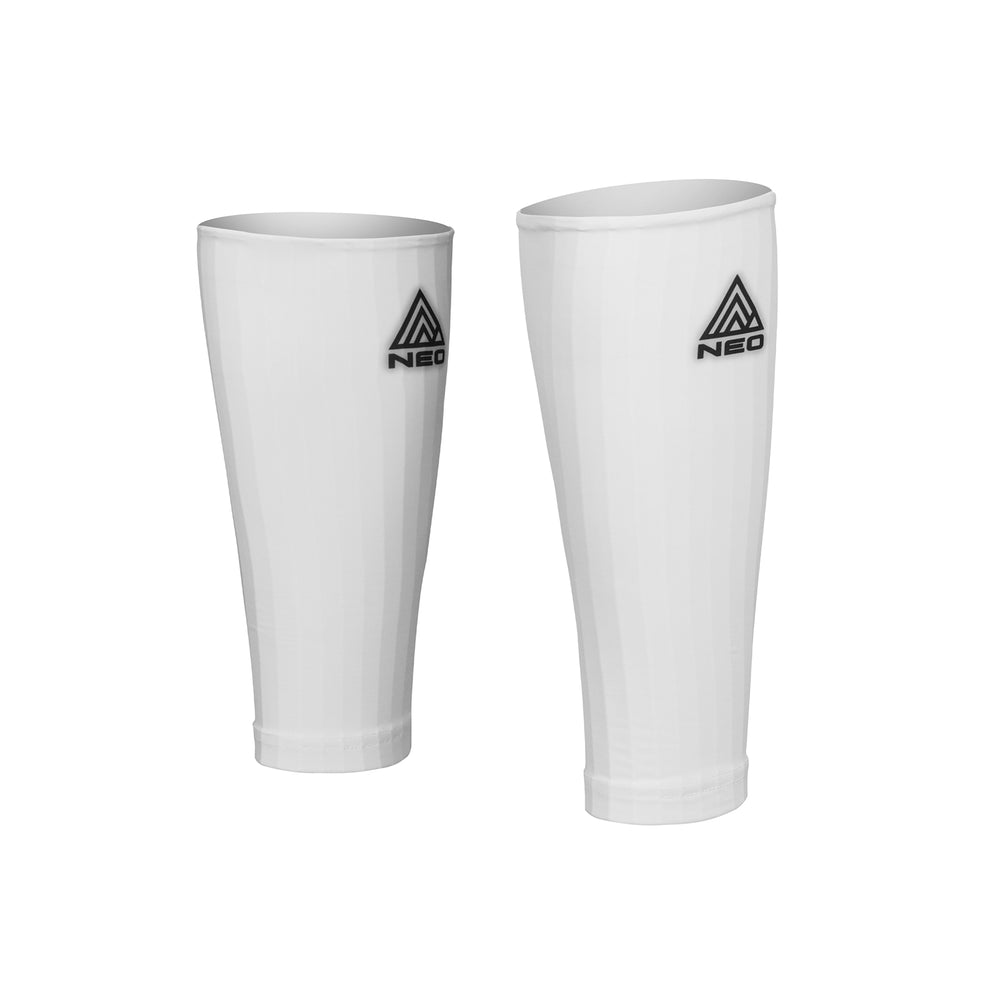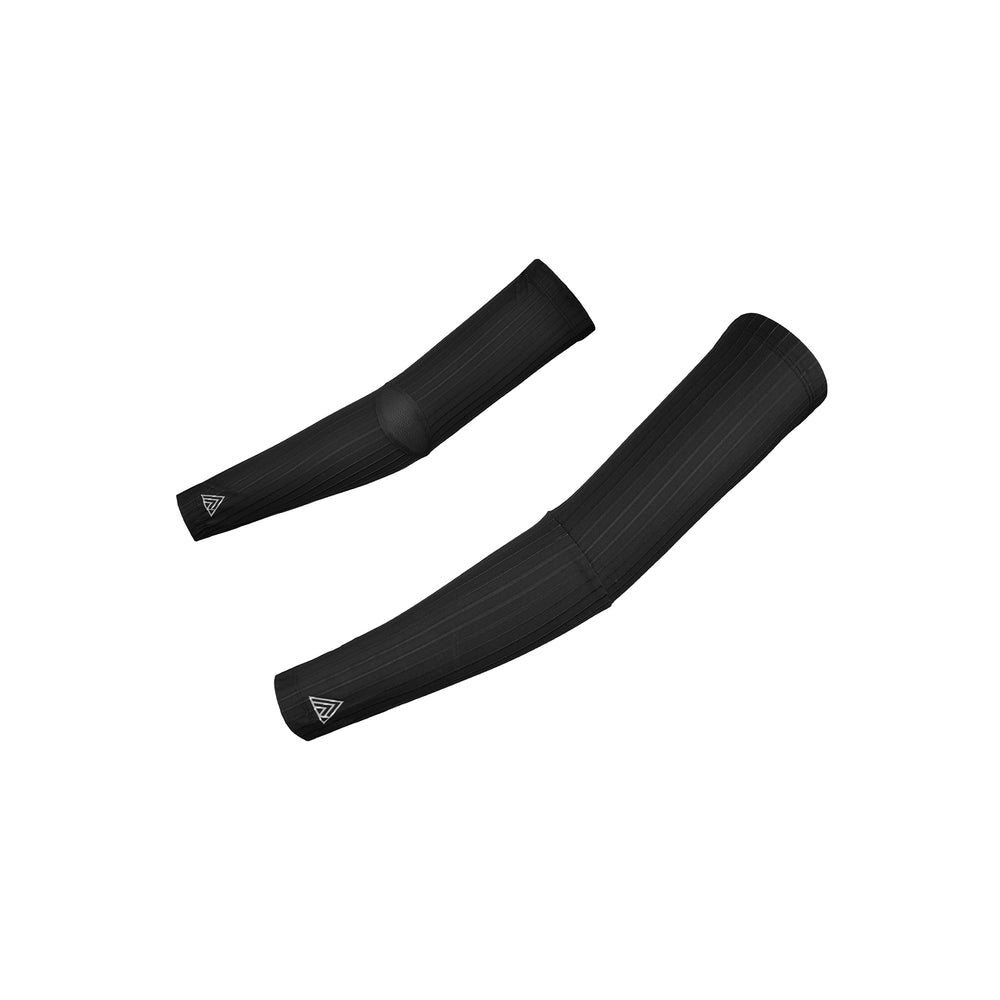
Triathlons are grueling tests of endurance, strength, and determination. For athletes, every second counts, and the equipment used can make a significant difference in performance. Among the gear that can elevate an athlete’s performance, the triathlon skinsuit has emerged as a pivotal component. These suits are engineered to offer the best in terms of aerodynamics, comfort, and functionality, ensuring athletes can focus on their race without distraction. This article delves into how optimizing performance with a triathlon skinsuit is not just about cutting-edge technology, but also about strategic design tailored to the needs of endurance athletes.
The Significance of Aerodynamics
Aerodynamic efficiency is paramount in triathlons, where reducing drag can lead to significant time savings. A well-designed triathlon skinsuit minimizes air resistance, allowing athletes to glide through each stage of the race more effectively. Key features include:
- Smooth fabric surfaces that reduce friction with the air.
- Seamless construction that minimizes turbulence.
- A snug fit that reduces flapping and excess material.
These elements combine to create a suit that not only enhances speed but also conserves energy, allowing athletes to perform at their peak for longer periods.
Comfort and Fit: The Unseen Advantage
Comfort is as crucial as speed when it comes to endurance events. A triathlon suit that fits well ensures that athletes can maintain focus and reduce fatigue. Important comfort features include:
- Moisture-wicking fabrics that keep the body dry and cool.
- Strategically placed padding to alleviate pressure points.
- Breathable materials that enhance ventilation and temperature regulation.
A tri suit that is engineered with these aspects in mind can prevent chafing and overheating, common issues that can detract from an athlete”?s performance.
Functionality Across Disciplines
Triathlons encompass swimming, cycling, and running, each demanding specific functionalities from a triathlon race suit. Key features that cater to these needs include:
- Hydrodynamic materials for efficient swimming.
- Compressibility that supports muscle groups during cycling.
- Flexibility and lightweight construction for ease of running.
A well-designed suit ensures seamless transitions between disciplines, eliminating the need for changing gear and thus saving precious time during transitions.
The Role of Technology in Design
The integration of advanced technology in the design and production of an ag triathlon race suit cannot be understated. Modern suits often incorporate:
- Laser-cut edges that provide a clean finish and reduce drag.
- Advanced stitching techniques that enhance durability and flexibility.
- Reflective elements for safety in low-light conditions.
These technological advances not only improve performance but also enhance the overall experience, making them a vital part of an athlete”?s gear.
Choosing the Right Skinsuit
Selecting the right triathlon skinsuit involves considering various factors that align with personal needs and race conditions. Important considerations include:
- Climate conditions of the race location.
- Length and type of race.
- Personal comfort preferences.
Athletes should ideally test a suit under race-like conditions to ensure it meets their expectations in terms of performance and comfort.
In conclusion, the right triathlon skinsuit is an investment in performance. By reducing drag, ensuring comfort, and providing functionality across disciplines, these suits allow athletes to focus on what truly matters “? the race. Whether competing at an amateur or professional level, optimizing gear with a state-of-the-art skinsuit can be a game-changer in achieving personal bests.