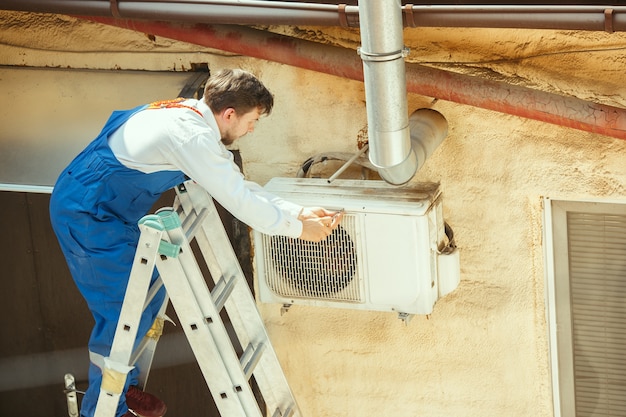
Mold damage is a persistent problem in many homes and businesses, particularly in regions with humid climates like Grand Rapids. Over time, mold can infiltrate HVAC systems, causing not only structural damage but also health concerns due to poor indoor air quality. Addressing mold damage within HVAC systems requires specialized knowledge and expertise to ensure thorough remediation and repair. This article delves into expert mold damage HVAC repair services available in Grand Rapids, offering insights into effective strategies and tailored solutions designed to restore and enhance HVAC functionality.
Understanding Mold Damage in HVAC Systems
Mold thrives in moist environments, making HVAC systems an ideal breeding ground. Within these systems, mold can:
- Compromise air quality, posing health risks such as respiratory issues and allergies.
- Reduce the efficiency of the HVAC system, leading to increased energy consumption.
- Cause corrosion and damage to the system”?s components, shortening its lifespan.
To combat these risks, homeowners and businesses must prioritize regular inspections and maintenance. Discover expert strategies here for effectively managing mold within HVAC systems.
Key Components of Mold Damage Repair Services
Thorough Inspection and Diagnosis
The first step in addressing mold damage in an HVAC system is a comprehensive inspection. This process involves:
- Identifying the sources of moisture that contribute to mold growth.
- Assessing the extent of mold contamination within the system.
- Evaluating the condition of HVAC components for any structural damage.
By understanding these elements, technicians can develop a tailored remediation plan. Learn about our tailored solutions for mold damage repair and prevention.
Advanced Mold Remediation Techniques
Effective mold remediation involves a combination of advanced cleaning methods and preventive measures. Key techniques include:
- Utilizing specialized cleaning agents to eliminate mold and prevent regrowth.
- Replacing contaminated filters and repairing or replacing damaged components.
- Implementing moisture control strategies to reduce the risk of future mold development.
These comprehensive approaches ensure that HVAC systems are not only free of mold but also protected against future contamination. Explore advanced guides and tips for maintaining a mold-free HVAC system.
Choosing the Right Service Provider
Selecting a qualified service provider is crucial for effective mold damage repair. Considerations include:
- Experience and expertise in HVAC mold remediation.
- Use of state-of-the-art equipment and environmentally friendly cleaning agents.
- Comprehensive service offerings, including inspection, remediation, and post-service maintenance.
By choosing a provider that meets these criteria, property owners can ensure the longevity and efficiency of their HVAC systems. Find out more about this approach to selecting the right professional services.
Conclusion
Mold damage in HVAC systems poses serious risks to both property and health. By engaging with expert mold damage HVAC repair services in Grand Rapids, property owners can effectively address these concerns. Through thorough inspections, advanced remediation techniques, and ongoing maintenance, these services ensure that HVAC systems remain efficient, safe, and mold-free. For those seeking to maintain optimal air quality and system performance, the insights and strategies discussed here provide an essential resource for effective mold management.