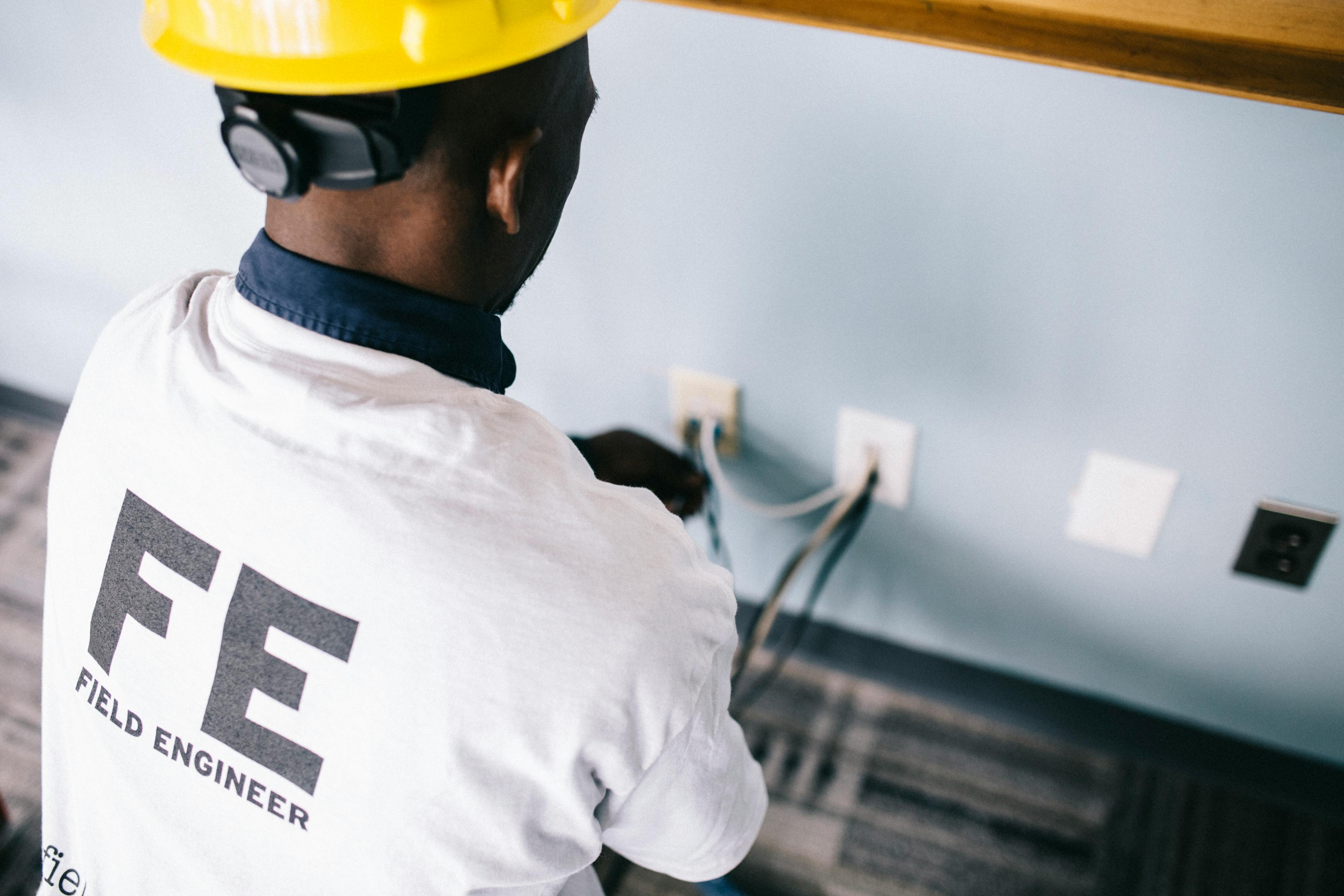
In Ireland, the legal obligation to maintain safe electrical equipment extends beyond initial installation. Portable Appliance Testing (PAT) is a critical component of workplace safety, ensuring that all movable electrical devices are regularly inspected, tested, and documented. Failure to comply can result in costly fines, operational downtime, and, most importantly, increased risk to staff and visitors. This article outlines the essential elements of commercial PAT testing services in Ireland, highlights best-practice procedures, and explains how businesses can achieve lasting compliance while minimizing disruption.
Why PAT Testing Is a Legal and Operational Necessity
Irish health and safety legislation, including the Safety, Health and Welfare at Work Act 2005, requires employers to provide a safe working environment. PAT testing directly supports this duty by:
- Identifying faulty or unsafe appliances before they cause injury.
- Providing documented evidence of compliance for inspections and audits.
- Extending the service life of equipment through preventive maintenance.
- Reducing insurance premiums by demonstrating proactive risk management.
Core Components of an Effective PAT Programme
1. Asset Identification and Classification
All portable electrical items must be catalogued and grouped according to risk level. High-risk equipment (e.g., power tools, medical devices) requires more frequent testing than low-risk items such as desk lamps.
2. Testing Frequency and Scheduling
Regulatory guidance suggests the following testing intervals:
- High-risk: every 3-6 months
- Medium-risk: every 12 months
- Low-risk: every 24 months
Scheduling should align with operational calendars to avoid peak periods. Many organisations integrate PAT testing into routine maintenance windows, ensuring minimal impact on productivity.
3. Test Methods and Equipment
Modern PAT devices combine visual inspection, earth leakage testing, insulation resistance measurement, and functional checks. Selecting calibrated, CE-marked equipment guarantees accurate results and legal defensibility.
4. Documentation and Record-Keeping
Each test result must be logged with details such as appliance ID, test date, outcome, and corrective action taken. Digital record systems simplify retrieval during audits and enable trend analysis for predictive maintenance.
Choosing a Qualified Service Provider
Partnering with an experienced electrical contractor ensures that testing is performed to the highest standards. When evaluating potential providers, consider the following criteria:
- Certification under ISO 9001 or similar quality management systems.
- Qualified personnel holding City & Guilds or equivalent PAT qualifications.
- Evidence of compliance with Irish health and safety regulations.
- Ability to supply comprehensive reports that meet regulatory requirements.
For businesses seeking a reliable partner, Discover expert strategies here offers insight into the capabilities of top-tier commercial electrical contractors in Dublin and Leinster.
Integrating PAT Testing With Broader Electrical Safety Initiatives
PAT testing should not exist in isolation. A holistic approach to electrical safety includes:
- Regular fixed-installation inspections (e.g., circuit breakers, wiring).
- Employee training on safe use of portable equipment.
- Implementation of a risk assessment matrix that links test frequency to usage patterns.
By aligning PAT activities with overall safety programs, organisations can create a culture of continuous improvement. Learn about our tailored solutions to integrate these elements seamlessly.
Cost Considerations and Return on Investment
While PAT testing incurs an upfront expense, the long-term savings are significant:
- Reduced downtime from unexpected equipment failure.
- Lower insurance premiums due to demonstrable risk mitigation.
- Avoidance of fines and legal costs associated with non-compliance.
- Extended equipment lifespan through early fault detection.
Cost-effective service contracts often include scheduled testing, reporting, and on-site corrective actions, providing predictable budgeting for compliance programmes.
Future Trends in Portable Appliance Testing
Advancements in IoT and smart sensors are reshaping how PAT is conducted. Emerging technologies enable:
- Real-time monitoring of appliance health via wireless data transmission.
- Automated scheduling based on usage analytics.
- Cloud-based record storage with AI-driven anomaly detection.
Staying informed about these developments can give businesses a competitive edge. Explore advanced guides and tips to future-proof your electrical safety strategy.
Conclusion
Achieving compliance with Irish PAT testing regulations requires a structured, well-documented programme backed by qualified expertise. By classifying assets, adhering to appropriate testing intervals, maintaining rigorous records, and selecting a reputable electrical contractor, organisations safeguard their workforce and protect their bottom line. Continuous improvement, supported by emerging technologies, ensures that portable appliance safety remains a dynamic and effective component of overall workplace health and safety management.