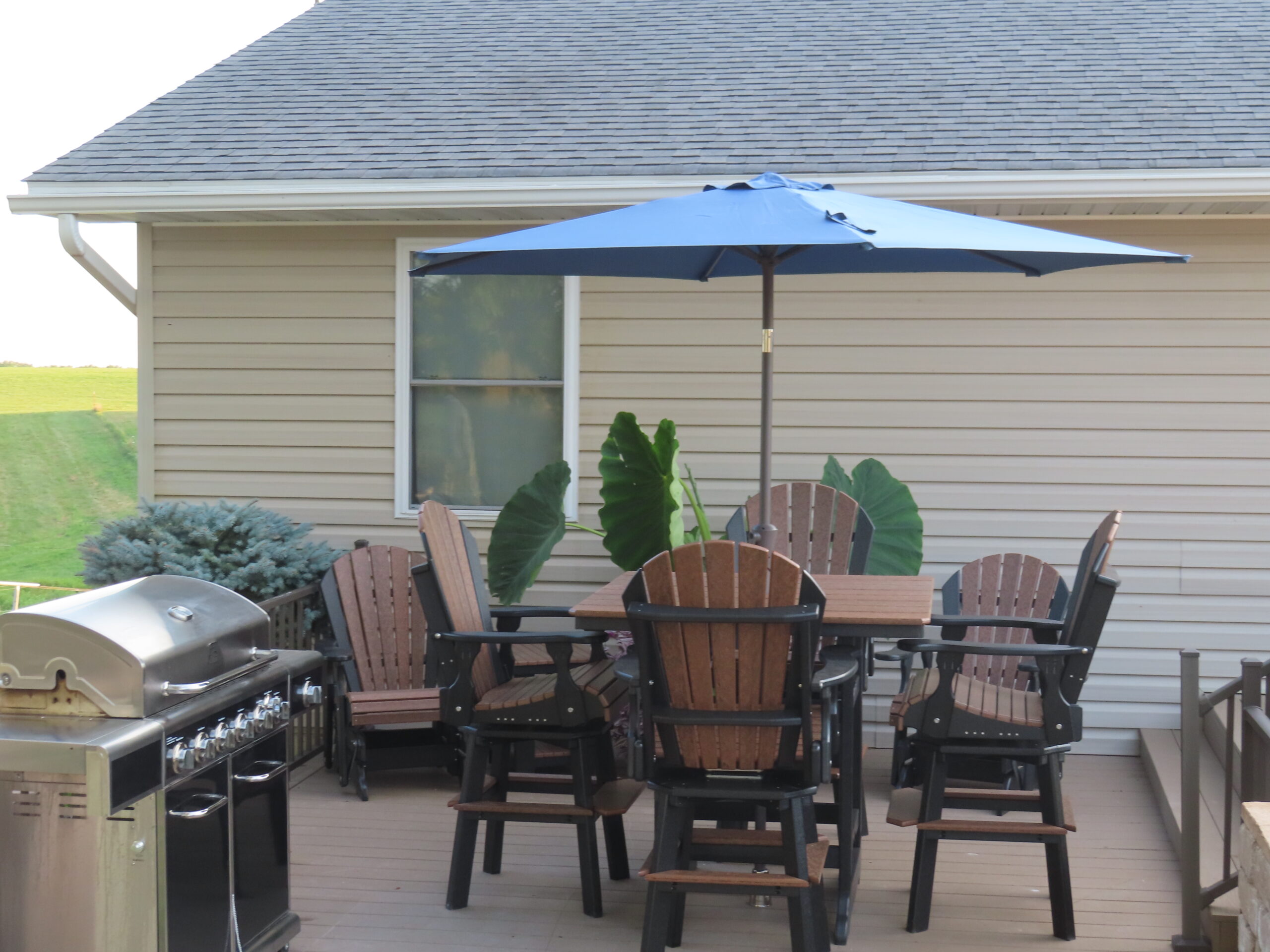
Eco-friendly picnic tables have become increasingly popular in recent years, as parks and public spaces seek to reduce their environmental footprint. One of the key considerations in designing sustainable picnic tables is the choice of materials. Traditional picnic tables are often made from pressure-treated wood, which can leach chemicals into the soil and contaminate groundwater. Instead, many parks are turning to eco-friendly materials such as recycled plastic, sustainably sourced wood, and composite materials.
Benefits of Eco-Friendly Picnic Tables
Eco-friendly picnic tables offer a range of benefits for parks and public spaces. Not only do they reduce the environmental impact of traditional picnic tables, but they also require less maintenance and can last longer. Additionally, eco-friendly picnic tables can be designed to be more accessible and inclusive, with features such as wheelchair ramps and adjustable height settings. For example, Discover expert strategies here for designing accessible picnic tables that cater to diverse user needs.
Design Considerations for Eco-Friendly Picnic Tables
When designing eco-friendly picnic tables, there are several key considerations to keep in mind. First, the choice of materials is critical. Look for materials that are sustainably sourced, recyclable, and non-toxic. Additionally, consider the durability and maintenance requirements of the table. Eco-friendly picnic tables should be designed to withstand the elements and require minimal upkeep. For instance, Learn about our tailored solutions for designing picnic tables that meet specific user needs and environmental requirements.
Benefits of Composite Materials
Composite materials, such as recycled plastic and sustainably sourced wood, are becoming increasingly popular for eco-friendly picnic tables. These materials offer a range of benefits, including durability, low maintenance, and sustainability. Composite materials can also be designed to be more accessible and inclusive, with features such as wheelchair ramps and adjustable height settings. For example, Explore advanced guides and tips for designing composite picnic tables that meet specific user needs and environmental requirements.
Installation and Maintenance Considerations
Once an eco-friendly picnic table is installed, it’s essential to consider the installation and maintenance requirements. Look for tables that are designed with easy installation and maintenance in mind. Additionally, consider the environmental impact of the installation process, including transportation and waste generation. For instance, Find out more about this approach to designing eco-friendly picnic tables that minimize environmental impact.
Conclusion
In conclusion, eco-friendly picnic tables offer a range of benefits for parks and public spaces. By choosing sustainable materials, designing accessible and inclusive features, and considering installation and maintenance requirements, parks can create sustainable and enjoyable spaces for users. Whether you’re looking to upgrade your existing picnic tables or design new ones, Discover expert strategies here for creating eco-friendly picnic tables that meet specific user needs and environmental requirements.