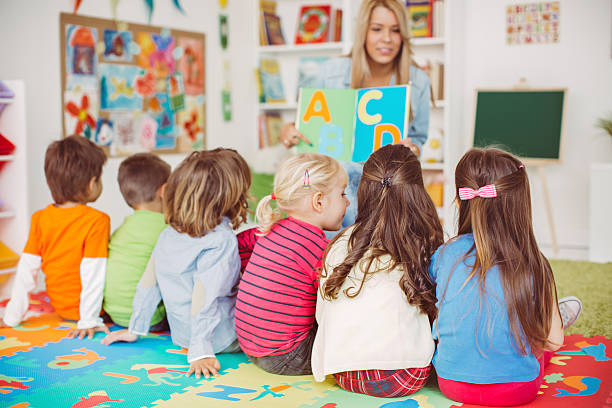
In today’s rapidly evolving educational landscape, engaging learning programs for children have become essential to foster holistic development. These programs are designed to stimulate cognitive, emotional, and social growth, preparing children for the challenges of the future. The integration of interactive and dynamic learning experiences supports children in developing a well-rounded skill set. Educators and parents alike are continually seeking innovative approaches to ensure that children not only gain knowledge but also learn how to apply it effectively in various contexts. For more insights into these educational strategies, discover expert strategies here.
The Importance of Holistic Development
Holistic development emphasizes the interconnectedness of various developmental domains. It is crucial because:
- Cognitive Growth: Encourages critical thinking, problem-solving, and creativity.
- Emotional Well-being: Supports emotional intelligence and resilience in children.
- Social Skills: Fosters cooperation, communication, and empathy.
- Physical Health: Promotes physical activity and healthy lifestyle choices.
By focusing on these areas, learning programs can create an environment where children thrive both academically and personally. Learn about our tailored solutions to enhance these developmental areas effectively.
Innovative Learning Program Features
Interactive Learning Experiences
Interactive learning is at the forefront of modern educational strategies. Programs that incorporate technology, such as educational apps and digital storytelling, engage children and make learning more appealing. These tools offer:
- Personalized Learning: Adapt content to fit individual learning paces and styles.
- Gamified Education: Use game mechanics to motivate and enhance learning outcomes.
- Instant Feedback: Provide real-time feedback to help students understand and correct mistakes.
Find out more about this approach and how it benefits young learners by visiting this comprehensive guide.
Project-Based Learning
Project-based learning (PBL) is a dynamic classroom approach that encourages students to actively explore real-world problems and challenges. Key advantages include:
- Hands-On Experience: Students learn by doing, which aids in deeper understanding.
- Collaboration: Encourages teamwork and leadership skills.
- Critical Thinking: Develops abilities to analyze and evaluate information critically.
To explore advanced guides and tips on implementing PBL effectively, click here for more details.
Conclusion
Engaging kids in learning programs that emphasize holistic development is more important than ever. By focusing on comprehensive growth across cognitive, emotional, social, and physical domains, these programs prepare children for future success. Innovators in education continue to refine these methods, ensuring that they are both effective and enjoyable for young learners. For more detailed insights and resources, explore advanced guides and tips on creating impactful educational experiences.