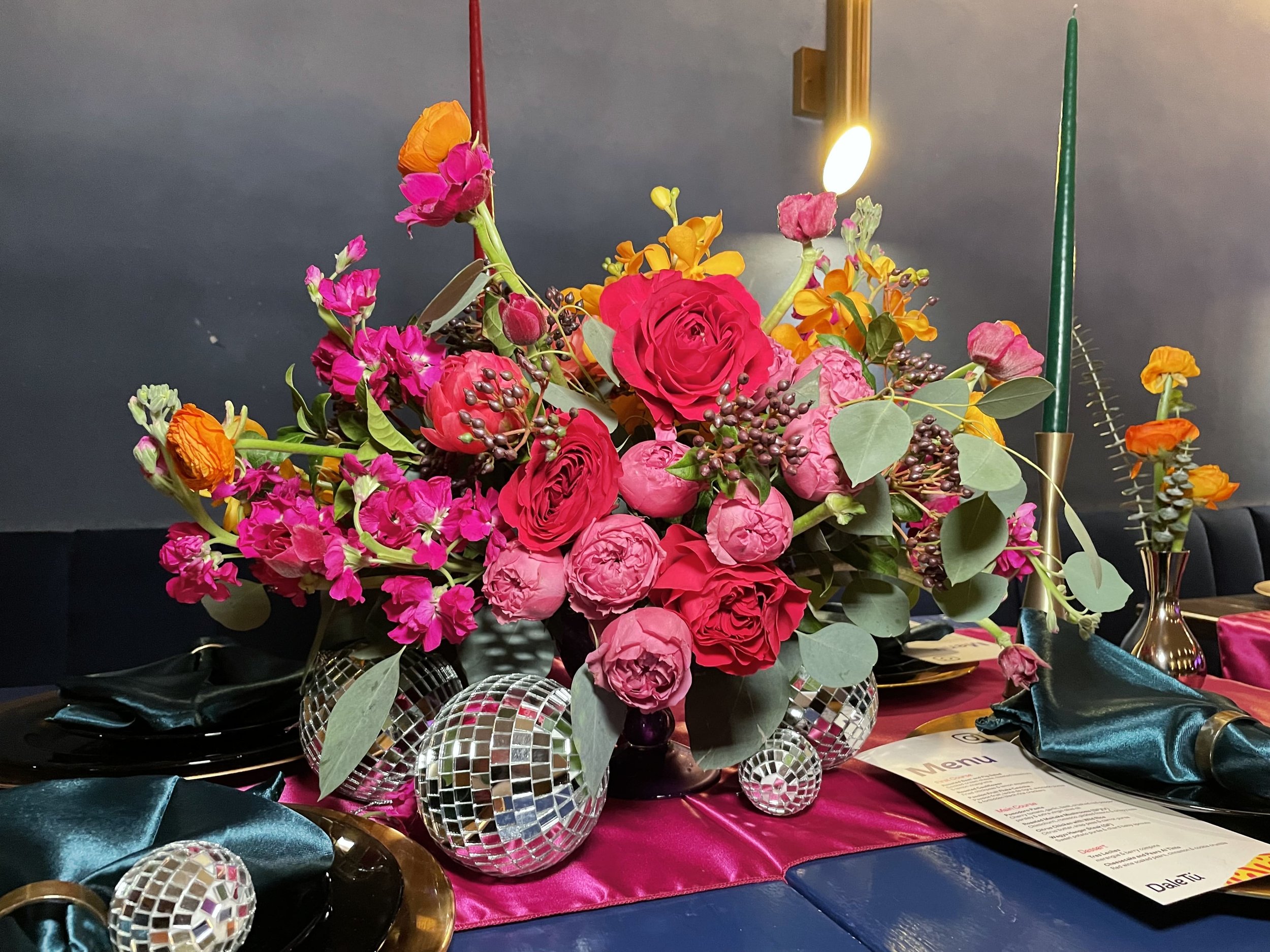
Creating the perfect flower arrangement for an event is both an art and a science. It requires a keen eye for aesthetics, a deep understanding of floral types and their meanings, and a strategic approach to color coordination and spatial design. Whether planning a wedding, corporate event, or private celebration, mastering the craft of floral design can significantly enhance the overall ambiance and experience of the occasion. This guide delves into expert strategies for perfecting your floral arrangements, ensuring that every detail contributes to an unforgettable event.
Understanding the Basics of Floral Design
Before diving into complex arrangements, it is crucial to grasp the fundamental principles of floral design. These principles include balance, proportion, and harmony, each playing a vital role in crafting visually appealing arrangements.
Balance
Achieving balance in floral arrangements involves distributing visual weight evenly across the arrangement. This can be symmetrical or asymmetrical, but the overall effect should feel stable and pleasing to the eye.
Proportion
Proportion pertains to the size relationship between elements within the arrangement. Ensuring that flowers, greenery, and any additional decorative items are proportionate to one another can prevent the arrangement from appearing cluttered or sparse.
Harmony
Harmony is about creating a cohesive look that ties all elements together. This involves thoughtful selection of flower types, colors, and textures that complement each other and the theme of the event. Explore advanced guides and tips on achieving harmony in floral design.
Choosing the Right Flowers
Selecting the appropriate flowers is critical in creating arrangements that align with the event’s theme and mood. Here are some tips to guide the selection process:
- Consider the seasonality of flowers to ensure freshness and cost-effectiveness.
- Align flower choices with the color scheme and theme of the event.
- Take into account the symbolism of flowers, as different blooms carry different meanings.
For more detailed insights on flower selection, discover expert strategies here.
Incorporating Color Theory
Color theory plays a pivotal role in designing striking floral arrangements. Understanding how colors interact can help in creating visually engaging designs that captivate guests.
Complementary Colors
Using complementary colors”?colors opposite each other on the color wheel”?can create vibrant and eye-catching arrangements. This approach is ideal for events that demand a bold visual impact.
Monochromatic Schemes
Monochromatic color schemes, which use varying shades of a single color, offer a more subtle and sophisticated look. This strategy works well for elegant events where a refined aesthetic is desired.
Enhancing Arrangements with Accessories
Beyond flowers, incorporating accessories such as ribbons, vases, and lighting can elevate the overall design of an arrangement.
- Use decorative vases that complement the theme and style of the event.
- Incorporate ribbons and other textiles for added texture and color.
- Utilize lighting strategically to highlight arrangements and create ambiance.
To learn about our tailored solutions for enhancing floral arrangements, find out more about this approach.
Conclusion
Mastering the art of event flower arrangements requires a blend of creativity, knowledge, and careful planning. By understanding the basics of floral design, choosing the right flowers, applying color theory, and incorporating complementary accessories, one can create stunning arrangements that enhance any event. For additional resources and expert advice, learn about our tailored solutions to ensure that every arrangement is a masterpiece.