Depression is a complex mental health condition that affects mood, energy, and daily functioning. In Westchester, NY, seeking the guidance of a qualified psychiatrist can make a decisive difference in how individuals experience and recover from depressive episodes. By combining clinical expertise with evidence-based treatments, a psychiatrist can tailor a comprehensive plan that addresses both the biological and psychosocial aspects of depression, leading to sustainable improvement and a higher quality of life.
Why Consulting a Psychiatrist Is Crucial
A psychiatrist is a medical doctor specialized in diagnosing and treating mental illnesses. Unlike other mental-health professionals, psychiatrists can prescribe medication, order laboratory tests, and integrate psychotherapy into a medical framework. This dual capability is especially valuable for depression, which often requires a combination of pharmacological and therapeutic interventions.
Key Benefits of Psychiatric Care
- Accurate Diagnosis: Comprehensive assessments differentiate depression from other mood disorders, medical conditions, or medication side effects.
- Medication Management: Tailored prescriptions, dosage adjustments, and monitoring for side effects ensure optimal therapeutic response.
- Integrated Therapy: Coordination with psychologists, counselors, or support groups creates a cohesive treatment network.
- Evidence-Based Approaches: Utilization of the latest research, such as cognitive-behavioral therapy (CBT), interpersonal therapy (IPT), and newer modalities like transcranial magnetic stimulation (TMS).
Comprehensive Assessment Process
Effective depression management begins with a thorough evaluation. The psychiatrist conducts a detailed interview covering:
- Symptom history and duration
- Family and personal psychiatric background
- Medical history, current medications, and lifestyle factors
- Risk assessment for self-harm or suicidal thoughts
Following this assessment, the clinician may order blood tests to rule out thyroid dysfunction, vitamin deficiencies, or hormonal imbalances that can mimic or exacerbate depressive symptoms.
Medication Strategies Tailored to the Individual
Pharmacotherapy remains a cornerstone of depression treatment. A psychiatrist in Westchester, NY, selects medications based on symptom profile, previous treatment response, and potential drug interactions. Common classes include:
- Selective serotonin reuptake inhibitors (SSRIs)
- Serotonin-norepinephrine reuptake inhibitors (SNRIs)
- Atypical antidepressants
- Augmentation agents for treatment-resistant cases
Ongoing follow-up appointments allow the psychiatrist to monitor efficacy, adjust dosages, and manage side effects, ensuring that the medication regimen remains aligned with the patient’s evolving needs.
Psychotherapy and Collaborative Care
Medication alone is rarely sufficient for long-term recovery. Psychotherapy provides tools for coping, restructuring negative thought patterns, and building resilience. A psychiatrist often collaborates with licensed therapists to deliver:
- Cognitive-behavioral therapy (CBT)
- Interpersonal therapy (IPT)
- Mindfulness-based cognitive therapy (MBCT)
When integrated with medication, these therapeutic approaches significantly boost remission rates.
Advanced Treatment Options
For individuals who do not respond to conventional treatments, a psychiatrist may recommend cutting-edge interventions:
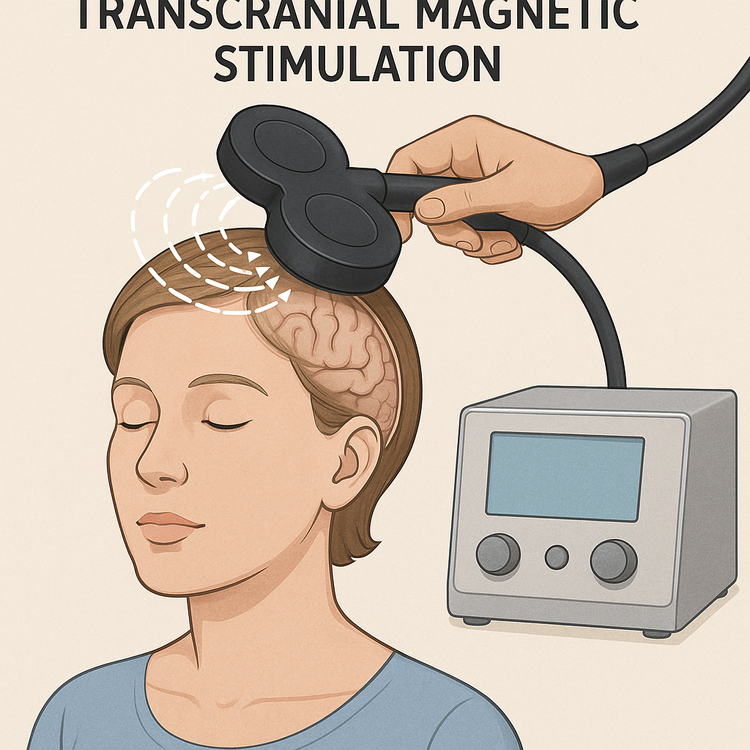
- Transcranial Magnetic Stimulation (TMS): A non-invasive procedure that stimulates specific brain regions associated with mood regulation.
- Electroconvulsive Therapy (ECT): Reserved for severe, treatment-resistant depression, administered under strict medical supervision.
- Ketamine Infusions: Emerging evidence supports rapid symptom relief for certain patients.
These options are evaluated on a case-by-case basis, with thorough discussion of benefits, risks, and expected outcomes.
Continuity of Care and Lifestyle Integration
Effective depression management extends beyond clinical visits. Psychiatrists encourage patients to adopt supportive lifestyle habits, such as regular exercise, balanced nutrition, adequate sleep, and stress-reduction techniques. Community resources, support groups, and psychoeducation further reinforce recovery.
Finding the Right Psychiatrist in Westchester, NY
Choosing a mental-health professional who aligns with personal values and treatment goals is essential. Prospective patients can:
- Verify board certification and years of experience in mood-disorder treatment.
- Seek referrals from primary-care physicians or trusted acquaintances.
- Review patient testimonials and success stories.
- Confirm that the practice offers a range of services, from medication management to advanced therapies.
For a deeper look at evidence-based strategies and personalized care pathways, Discover expert strategies here.
Conclusion
A psychiatrist in Westchester, NY, brings a unique blend of medical expertise and therapeutic insight that can transform the trajectory of depression. By delivering precise diagnoses, personalized medication plans, integrated psychotherapy, and access to advanced treatments, psychiatric care offers a comprehensive roadmap to recovery. Individuals seeking relief should consider a collaborative, evidence-driven approach that addresses both the mind and body, ultimately fostering lasting well-being.
To explore further resources on managing depression and to learn about tailored solutions, Learn about our tailored solutions. Additionally, Explore advanced guides and tips. can provide valuable information for anyone navigating the complexities of mental health.

