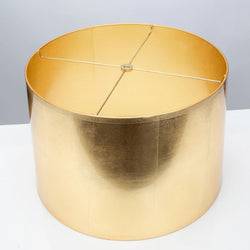
Old World design table lamps embody the timeless elegance of European craftsmanship, merging ornate details with functional illumination. These pieces serve not only as light sources but also as focal points that enrich interiors with a sense of history and refined taste. Understanding the key characteristics, materials, and styling cues of classic lighting styles enables designers, collectors, and homeowners to make informed choices that enhance both aesthetic appeal and ambience.
Defining Characteristics of Old World Table Lamps
The hallmark of Old World design lies in its attention to detail and reverence for traditional techniques. The following elements are commonly observed across classic lamp styles:
- Rich Materials: Brass, bronze, polished wood, and hand-blown glass are frequently employed, offering durability and a warm patina.
- Ornamental Motifs: Fleur-de-lis, acanthus leaves, scrollwork, and gilt accents reflect the influence of Baroque, Rococo, and Neoclassical periods.
- Layered Lighting: A combination of a central shade, decorative fringe, and sometimes a secondary uplight creates depth and a soft diffusion of light.
- Hand-crafted Finishes: Hand-polished surfaces, hand-painted details, and artisanal metalwork emphasize authenticity.
Key Historical Styles
Baroque (17th-18th Century)
Baroque lamps are characterized by dramatic curves, heavy gilding, and intricate scrolls. The style conveys opulence and theatricality, making it ideal for formal living rooms or grand libraries.
- Curved, oversized bases often feature cherubs or mythological figures.
- Shades are typically made from silk or heavy fabric, draped to create a plush glow.
- Gold leaf or brass plating adds a luminous finish.
Rococo (Mid-18th Century)
Rococo design embraces asymmetry, playful motifs, and pastel tones. Lamps in this style bring a light-hearted elegance to intimate spaces such as bedrooms or sitting areas.
- Shell, leaf, and floral appliqu??s dominate the surface decoration.
- Curvilinear forms and delicate scrolls soften the silhouette.
- Pastel-tinted glass or fabric shades diffuse a gentle, romantic light.
Neoclassical (Late 18th-Early 19th Century)
Neoclassical lamps reflect the revival of Greco-Roman ideals, emphasizing symmetry, clean lines, and restrained ornamentation. These pieces pair well with contemporary interiors that seek a classic anchor.
- Straight, tapered legs often echo classical columns.
- Motifs include laurel wreaths, Greek key patterns, and urns.
- Materials such as polished marble bases or satin-finished brass convey refined simplicity.
Choosing the Right Old World Lamp for Your Space
Selecting a lamp involves balancing aesthetic preferences with functional needs. Consider the following guidelines before making a purchase:
- Scale: Ensure the lamp’s height and base width complement the furniture it will accompany. A large, ornate piece can overwhelm a petite side table, while a modest lamp may look lost beside a grand mahogany desk.
- Light Output: Choose appropriate bulb types (LED, incandescent, or halogen) that respect the lamp’s design while delivering sufficient illumination for the intended task.
- Finish Compatibility: Match the metal or wood finish of the lamp with existing hardware, such as door knobs or picture frames, to create visual cohesion.
- Historical Accuracy vs. Modern Adaptation: Decide whether a strictly period-accurate piece or a contemporary reinterpretation better serves your d??cor narrative.
Maintenance and Care Tips
Preserving the beauty of Old World table lamps requires regular attention. Follow these best practices to keep them looking their best:
- Dust with a soft, lint-free cloth; avoid abrasive cleaners on polished metal or gilt surfaces.
- Polish brass or bronze with a dedicated metal polish no more than once a quarter to prevent over-shining.
- Check wiring and sockets annually; replace bulbs with the recommended wattage to avoid overheating.
- Store fabric shades in a cool, dry place when not in use to prevent mildew.
Where to Find Authentic Old World Designs
For those seeking high-quality pieces that embody genuine craftsmanship, curated collections often provide a reliable source. Detailed product descriptions, provenance information, and expert curation help ensure authenticity. Discover expert strategies here to navigate selections that align with both historical accuracy and modern functionality.
Design professionals looking for tailored advice on integrating classic lamps into contemporary interiors can Learn about our tailored solutions, which include style guides and material specifications.
For a deeper dive into lighting theory, placement techniques, and the interplay of shadows in period d??cor, Explore advanced guides and tips that blend scholarly research with practical application.
Curious about the evolution of specific motifs or the impact of regional craftsmanship? Find out more about this approach through curated articles and visual archives.
Conclusion
Old World design table lamps continue to captivate because they marry artistry with utility, offering a tangible link to centuries of European design heritage. By understanding the distinct characteristics of Baroque, Rococo, and Neoclassical styles, evaluating scale and function, and committing to proper maintenance, collectors and interior enthusiasts can enjoy these timeless pieces for generations. Leveraging reputable sources and expert guidance ensures that each lamp not only illuminates a room but also tells a story of enduring craftsmanship.