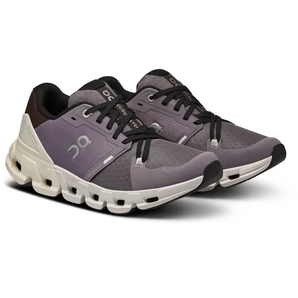
Whether you’re a seasoned marathoner, a casual jogger, or someone just beginning their fitness journey, the right pair of running shoes can make all the difference. Far more than simple footwear, running shoes are a vital tool for comfort, injury prevention, and performance enhancement.
With countless options available, understanding their importance and how to choose the right pair is essential for every runner. You can also browse this site to know more about the running shoes.
Why Running Shoes Matter
Running places repetitive stress on the body, particularly the feet, ankles, and knees. The impact of each stride can be several times a runner’s body weight, making proper support crucial. Running shoes are designed specifically to absorb shock, provide stability, and promote efficient movement. Unlike casual sneakers, they are engineered with technologies that cater to the biomechanics of running.
The right shoes can help reduce the risk of common injuries such as shin splints, plantar fasciitis, and knee pain. They also allow runners to maintain proper form, which is critical for both speed and endurance.
Key Features of Running Shoes
Modern running shoes come with a variety of features that enhance comfort and performance:
- Cushioning: Foam midsoles or advanced technologies like carbon plates provide shock absorption and responsiveness, giving runners energy return with each step.
- Breathability: Mesh uppers allow for airflow, keeping feet cool and dry during long runs.
- Support and Stability: Some shoes are designed for neutral runners, while others correct overpronation (inward rolling of the foot) or underpronation (outward rolling).
- Traction: Outsoles with durable rubber grip surfaces help maintain stability on different terrains, from roads to trails.
- Lightweight Design: Many modern running shoes are built to be as light as possible without sacrificing support, reducing fatigue over long distances.
Choosing the Right Running Shoe
Selecting the right pair depends on a runner’s individual needs and running style. A gait analysis, often offered at specialty running stores, can help determine whether you need a neutral shoe or one with added stability. The surface you run on—whether road, track, or trail—also influences the type of shoe you should choose. Trail running shoes, for example, provide extra grip and protection against rocks and roots.
Fit is another critical factor. Shoes should feel snug but not tight, with enough room in the toe box to prevent blisters. It’s generally recommended to buy running shoes half a size larger than your regular shoes to accommodate swelling during runs.
When to Replace Running Shoes
Even the best shoes wear out over time. Most experts suggest replacing running shoes every 300 to 500 miles, depending on factors like body weight, running style, and terrain. Worn-out shoes lose cushioning and support, which can increase the risk of injury.
Conclusion
Running shoes are more than just gear—they are an investment in health and performance. With the right pair, runners can enjoy greater comfort, improved efficiency, and reduced risk of injury. Whether you’re aiming for a marathon finish line or simply jogging around the neighborhood, choosing the right running shoes ensures that every step is supported.