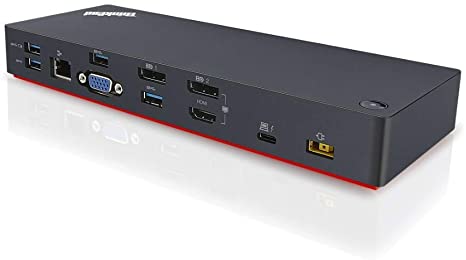
In the modern era of technology, efficiency and productivity are essential, particularly for professionals who rely on their laptops for work. Docking stations have emerged as a pivotal accessory for enhancing the functionality of laptops, and Lenovo’s offerings in this domain are both versatile and reliable. By understanding the features and benefits of Lenovo docking stations, users can make informed decisions that enhance their computing experience.
Why Use a Docking Station?
Docking stations provide a seamless bridge between the portability of laptops and the utility of desktop computers. Here are a few reasons why they are essential:
- **Enhanced Connectivity**: Docking stations offer multiple ports, including USB, HDMI, and Ethernet, allowing users to connect various peripherals simultaneously.
- **Improved Ergonomics**: With docking stations, users can easily connect to external monitors, keyboards, and mice, leading to a more ergonomic workspace.
- **Charging Convenience**: They often come with power delivery capabilities, ensuring the laptop remains charged while connected to the docking station.
- **Efficient Workspace Management**: By consolidating cables and devices, docking stations help maintain a tidy and organized workspace.
Features of Lenovo Docking Stations
Connectivity Options
Lenovo docking stations are equipped with a wide array of ports, ensuring compatibility with various devices. Key connectivity options include:
- Multiple USB ports for peripherals like keyboards, mice, and external drives.
- HDMI and DisplayPort outputs for connecting to external displays.
- Ethernet ports for stable internet connections.
- Audio jacks for connecting headphones or speakers.
For those looking for comprehensive connectivity solutions, exploring a laptop docking station lenovo offers can be beneficial.
Power Delivery
One of the standout features of Lenovo docking stations is their power delivery capabilities. They can charge laptops while connected, eliminating the need for a separate power adapter. This is particularly advantageous for professionals who are constantly on the move and require their devices to be charged efficiently.
Choosing the Right Lenovo Docking Station
When selecting a docking station, it is crucial to consider the specific needs and specifications of the laptop. Key considerations include:
- **Compatibility**: Ensure the docking station is compatible with the laptop model and operating system.
- **Port Requirements**: Assess the number and types of ports needed based on the peripherals to be connected.
- **Power Needs**: Consider the power delivery capabilities to ensure sufficient charging for the laptop.
- **Form Factor**: Evaluate the size and design of the docking station to fit the workspace requirements.
Lenovo offers a range of docking stations that cater to different needs, ensuring there is an option for every user type.
Maximizing the Use of Lenovo Docking Stations
Setting Up Your Docking Station
Setting up a Lenovo docking station is straightforward. Follow these steps for a hassle-free setup:
- Connect the docking station to the laptop using the appropriate cable (usually USB-C).
- Attach peripherals such as monitors, keyboards, and mice to the docking station.
- Ensure power delivery by connecting the docking station to a power source.
- Install any necessary drivers or software updates prompted by the laptop.
With these steps, users can quickly transform their laptops into fully functional workstations.
Conclusion
Lenovo docking stations offer a reliable and efficient solution for enhancing laptop functionality. By providing extensive connectivity options, power delivery, and ergonomic benefits, these devices ensure that professionals can maintain productivity whether at home or in the office. Understanding the features and choosing the right docking station tailored to specific needs can significantly elevate the computing experience.