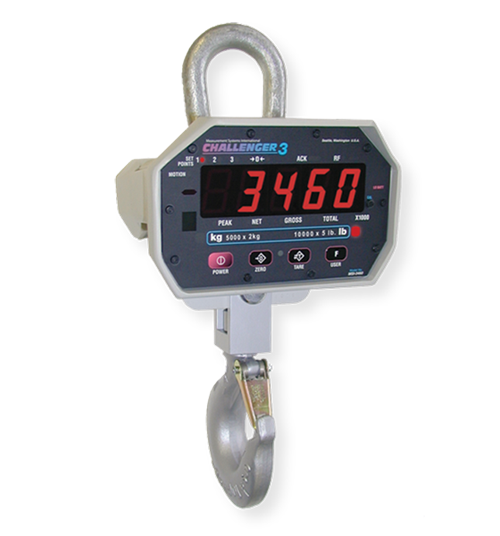
In the world of industrial and commercial applications, precision is key. The accuracy of weighing scales can have a significant impact on operations, from ensuring product consistency to meeting regulatory compliance. This makes weighing scale calibration an essential process for businesses that rely heavily on precise measurements. Calibration services ensure that scales function correctly and provide accurate readings, thereby enhancing operational efficiency and trust in measurement outcomes.
Understanding Weighing Scale Calibration
Calibration is a process that involves comparing the readings of a scale to a standard measurement to determine its accuracy. This process is crucial for a variety of reasons:
- Accuracy: Calibration ensures that scales provide precise measurements, which is vital for quality control and compliance.
- Regulatory Compliance: Many industries have strict regulations regarding measurement accuracy, making regular calibration essential.
- Cost Savings: Inaccurate measurements can lead to product waste and financial loss, making calibration a cost-effective practice.
Types of Weighing Scale Calibration Services
Industrial Scale Calibration
Industrial applications often require specialized industrial scale calibration services. These services are designed to handle the large-scale, high-capacity weighing equipment used in manufacturing and production settings. Accurate calibration in these environments ensures the efficiency of production lines and the quality of the final product.
ISO 17025 Calibration
The ISO 17025 standard is a benchmark for calibration laboratories, ensuring the competence and consistent operation of their services. Engaging with scale calibration companies that adhere to this standard provides assurance of high-quality calibration results.
Choosing the Right Calibration Service Provider
Selecting the right calibration service provider is crucial for maintaining the accuracy and reliability of weighing scales. Consider the following factors when making a choice:
- Accreditations: Ensure the provider is accredited and complies with relevant standards, such as ISO 17025.
- Experience: Look for providers with extensive experience in the industry and a track record of successful calibrations.
- Customer Support: Reliable customer support is essential for addressing any issues that may arise during the calibration process.
Benefits of Regular Calibration
Regular calibration of weighing scales offers numerous advantages, including:
- Enhanced Productivity: Accurate scales reduce errors, leading to more efficient operations.
- Improved Product Quality: Consistent measurements ensure product uniformity and quality control.
- Compliance Assurance: Regular calibration helps businesses remain compliant with industry standards and regulations.
Conclusion
Weighing scale calibration is an indispensable practice that supports accuracy, compliance, and efficiency in various industrial and commercial applications. Engaging professional weighing scale calibration services ensures that scales provide precise measurements, thereby safeguarding product quality and operational effectiveness. By selecting a reputable service provider, businesses can maintain the reliability of their measurements and adhere to industry standards, ultimately contributing to their success.