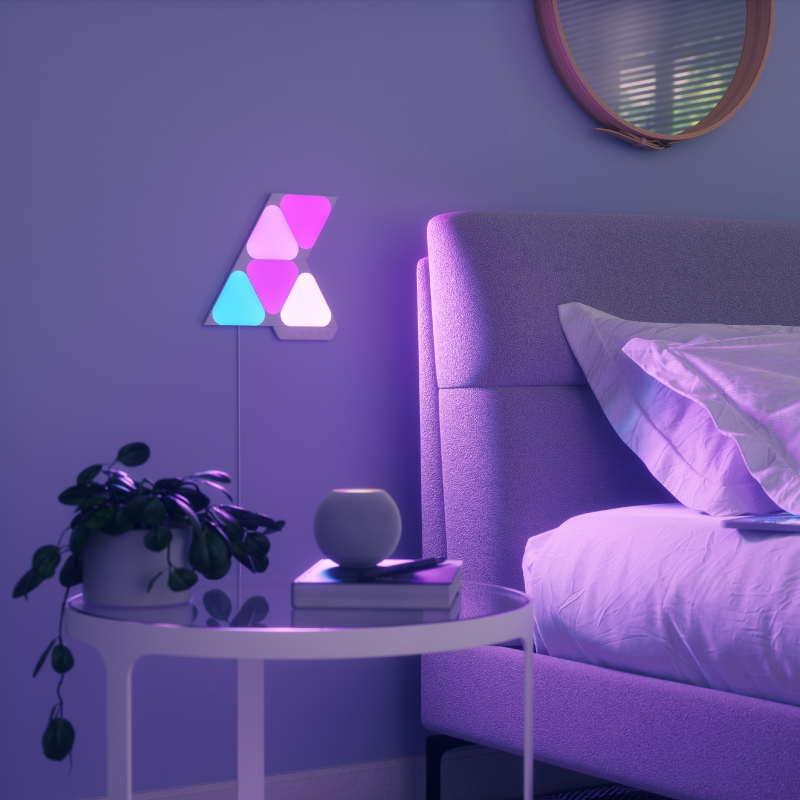
Wall light panels have become a versatile tool in modern stage design, offering designers the ability to create immersive atmospheres while maintaining flexibility and cost-effectiveness. These thin, modular LED surfaces can be mounted directly onto set walls, providing both illumination and visual texture. By integrating programmable color changes, dynamic patterns, and precise brightness control, wall light panels enable designers to transform a static backdrop into a living, breathing element that reacts to the narrative and performance cues. The following guide explores the key considerations, installation techniques, and creative applications that make wall light panels an essential component of contemporary stage environments.
Why Choose Wall Light Panels for Stage Design?
When evaluating lighting solutions for a theatrical set, several factors set wall light panels apart from traditional fixtures:
- Space Efficiency: Their slim profile allows them to be concealed within set walls, freeing up valuable stage space for props and performers.
- Programmable Flexibility: Integrated control systems let designers adjust color, hue, and intensity in real time, supporting rapid scene changes.
- Uniform Light Distribution: Panels emit a soft, even glow that reduces harsh shadows and creates a consistent visual field.
- Energy Savings: LED technology consumes less power than conventional stage lights, lowering operational costs and heat output.
For a deeper dive into how lighting elements enhance a set, Read more about this topic.
Key Design Considerations
1. Panel Placement and Geometry
Strategic placement determines how effectively the panels contribute to the overall visual narrative. Consider the following:
- Align panels with key sightlines to ensure visibility from all audience angles.
- Use varying shapes, rectangular, square, or custom cutouts, to match architectural features of the set.
- Layer panels at different depths to create a sense of three-dimensional depth.
2. Color Palette and Mood
The ability to shift colors instantly makes wall light panels ideal for mood transitions. When selecting a palette:
- Match colors to the emotional tone of each scene (e.g., cool blues for tension, warm ambers for intimacy).
- Employ gradual fades to avoid abrupt visual jolts that could distract the audience.
- Utilize complementary hues to highlight focal points such as entrances or set pieces.
3. Control Systems and Integration
Integrating panels with existing lighting consoles streamlines operation. Look for:
- DMX or Ethernet compatibility for seamless communication with other fixtures.
- Pre-programmed cues that sync with sound and video elements.
- User-friendly software that allows designers to create and store custom scenes.
For practical tips on integrating lighting with other stage elements, Learn more in this detailed guide.
Installation Best Practices
Proper installation ensures safety, durability, and optimal performance. Follow these steps:
- Structural Assessment: Verify that the wall surface can support the weight of the panels and any mounting hardware.
- Wiring Planning: Route power and data cables concealed behind the set to maintain aesthetic cleanliness.
- Mounting Technique: Use recessed brackets or adhesive mounts designed for the specific panel thickness.
- Testing Phase: Conduct a full system check before the dress rehearsal to confirm color accuracy and response times.
Creative Applications
Beyond basic illumination, wall light panels can be leveraged for a variety of artistic effects:
- Dynamic Backgrounds: Program panels to pulse in rhythm with music, enhancing concert-style productions.
- Interactive Set Pieces: Combine panels with motion sensors so that audience movement triggers lighting changes.
- Projection Surfaces: Use panels as a base for low-profile projections, adding texture without additional screens.
- Thematic Transitions: Shift from a realistic setting to an abstract dreamscape by gradually altering panel colors and patterns.
For additional inspiration on blending lighting with set design, Explore further insights here.
Maintenance and Longevity
Ensuring the longevity of wall light panels involves regular upkeep:
- Dust panels gently with a soft, lint-free cloth to maintain light output.
- Inspect wiring connections quarterly for signs of wear or looseness.
- Update firmware when available to benefit from performance improvements and bug fixes.
Conclusion
Wall light panels provide a powerful, adaptable solution for stage designers seeking to enhance visual storytelling while preserving space and energy efficiency. By carefully considering placement, color strategy, control integration, and installation methods, designers can create immersive environments that respond fluidly to the dynamics of live performance. Incorporating these panels into a broader lighting plan not only elevates the aesthetic quality of a production but also contributes to a more sustainable and flexible stage infrastructure.