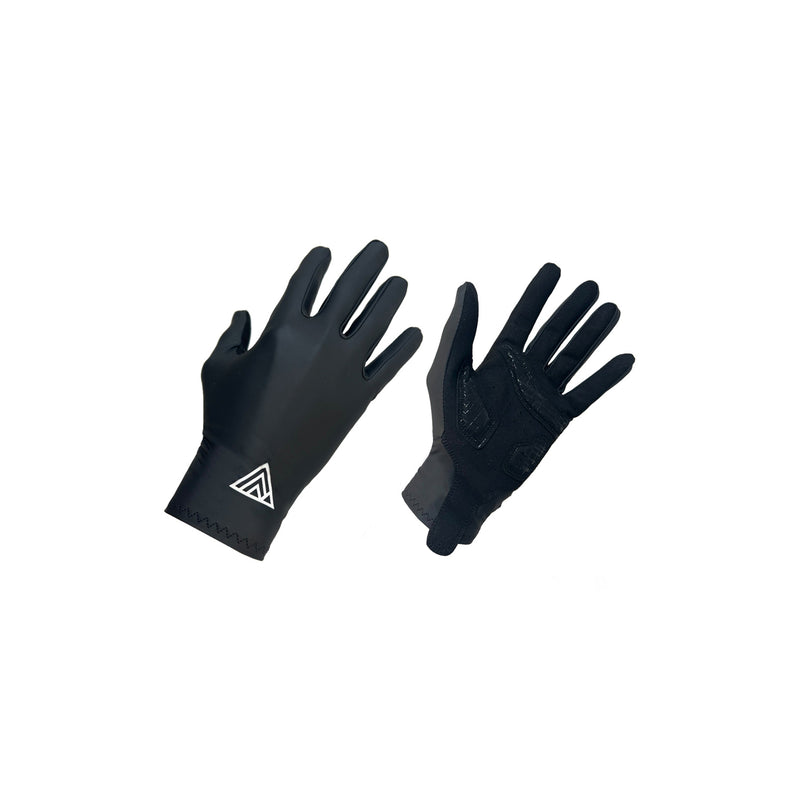
When cyclists seek every possible advantage, the choice of gloves often goes unnoticed despite its significant impact on performance. Aero gloves are engineered to streamline the hand’s shape, reduce turbulence, and provide a more secure connection to the bike’s handlebars. By minimizing drag and enhancing control, these specialized gloves become an essential component for riders aiming to shave seconds off a time trial, maintain confidence on descents, or simply enjoy smoother, more efficient rides. The following sections explore the science behind aero glove design, practical benefits for various riding styles, and key factors to consider when selecting the right pair.
Understanding Aerodynamics and Hand Position
How Hand Shape Influences Drag
- Rounded, low-profile surfaces allow air to flow smoothly around the hands, decreasing the coefficient of drag.
- Strategic placement of padding and seams prevents airflow disruption that can create vortices.
- Materials with low surface roughness further reduce friction, especially at higher speeds.
The Role of Grip and Control
- Silicone-enhanced palm areas provide a secure grip without adding bulk that could increase drag.
- Ergonomic shaping keeps the wrist in a neutral position, reducing fatigue during long efforts.
- Integrated fingertip protection maintains tactile feedback while shielding against wind-chill.
Performance Benefits for Different Riding Disciplines
Time Trials and Triathlons
Aero gloves are a staple for athletes competing against the clock. By smoothing the hand profile, they contribute to a cumulative reduction in overall drag, which can translate into measurable time savings over a 40-kilometer course.
- Improved power transfer due to stable hand placement.
- Reduced wind noise, allowing riders to focus on pacing.
- Lightweight construction minimizes added mass.
Road Racing and Group Riding
In a peloton, maintaining a consistent line is crucial. Aero gloves help riders keep their hands low and close to the drops, ensuring a tighter aerodynamic envelope.
- Enhanced confidence on high-speed descents.
- Better vibration damping on rough surfaces.
- Quick release mechanisms aid in rapid transitions.
Mountain Biking and Gravel Adventures
While the primary focus for off-road riding is traction, aero gloves still offer advantages by reducing wind resistance on exposed sections and providing a comfortable grip on varied terrain.
- Breathable panels prevent overheating during climbs.
- Reinforced knuckle protection adds durability.
- Streamlined design reduces snagging on vegetation.
Key Features to Evaluate When Choosing Aero Gloves
- Material composition: Look for a blend of high-tenacity nylon and elastane for stretch, combined with a smooth outer coating.
- Fit and sizing: A snug yet non-restrictive fit ensures the hand remains in the optimal aerodynamic position.
- Ventilation: Mesh zones or perforations help regulate temperature without compromising the low-drag profile.
- Grip technology: Silicone or rubberized pads should be strategically placed to maximize control while staying flush with the glove surface.
- Durability: Reinforced stitching at high-stress points extends the glove’s lifespan, especially for aggressive riders.
For a curated selection of high-performance options, Discover expert strategies here. The collection showcases models that balance aerodynamic efficiency with tactile comfort, suitable for both elite athletes and serious enthusiasts.
Integrating Aero Gloves Into a Complete Cycling Setup
Maximizing the benefits of aero gloves involves more than just wearing them; it requires a holistic approach to bike fit and riding technique.
Bike Fit Considerations
- Ensure the handlebar width matches shoulder width to keep elbows relaxed.
- Adjust stem length so the wrists remain neutral when gripping the drops.
- Maintain a slight forward lean to keep the torso aerodynamic without compromising breathing.
Riding Technique Adjustments
- Practice a relaxed grip; excessive pressure increases fatigue and negates aerodynamic gains.
- Adopt a low-profile hand position early in the ride to establish consistent airflow.
- Use the glove’s palm padding as a reference point for consistent hand placement on the bars.
Additional insights on optimizing equipment can be found by Learn about our tailored solutions, which includes detailed guides on pairing gloves with helmets, shoes, and clothing for a fully aerodynamic package.
Maintenance and Longevity
Proper care extends the performance window of aero gloves, ensuring they remain smooth and functional season after season.
- Hand-wash with mild detergent; avoid fabric softeners that can affect grip.
- Air-dry away from direct sunlight to preserve material elasticity.
- Inspect seams and silicone pads regularly; replace gloves when wear becomes noticeable.
For comprehensive maintenance tips and product recommendations, Explore advanced guides and tips. The resource offers step-by-step instructions tailored to high-performance cycling apparel.
Conclusion
Aero gloves represent a subtle yet powerful upgrade for cyclists focused on speed, control, and comfort. By reducing drag, enhancing grip, and integrating seamlessly with a well-fitted bike, they deliver measurable performance improvements across a variety of disciplines. Selecting the right pair involves assessing material quality, fit, and additional features that align with individual riding goals. When combined with proper bike fit, technique, and maintenance, aero gloves become an indispensable tool in the pursuit of faster, smoother rides. To explore the latest models and deepen understanding of aerodynamic accessories, Find out more about this approach.