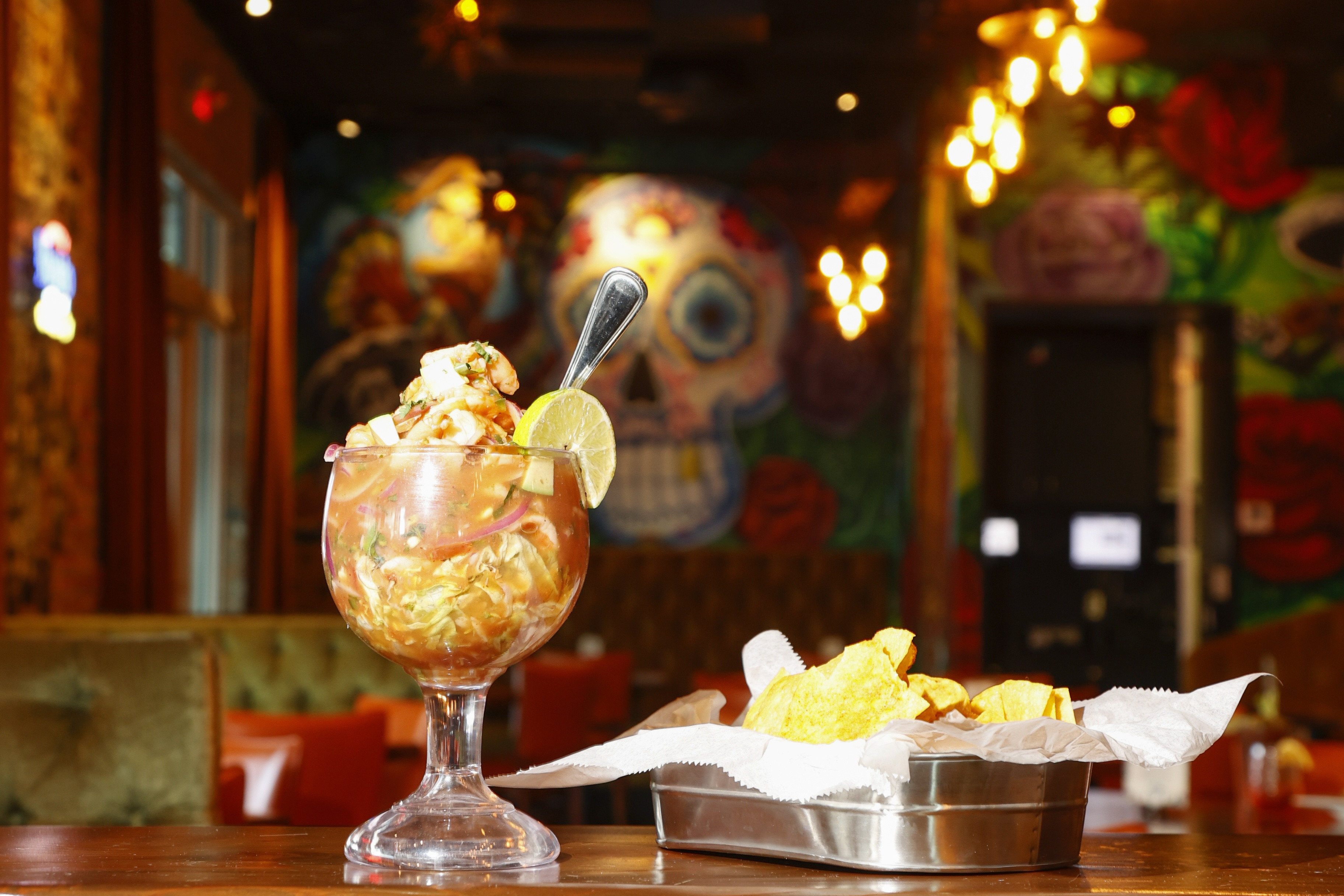
In today's competitive hospitality landscape, delivering a memorable culinary journey goes beyond merely serving food; it requires a blend of authentic flavors, thoughtful ambience, and a deep understanding of guest expectations. Restaurants that master this balance not only attract repeat patrons but also become cultural landmarks within their communities. This article explores the essential components that define a successful modern dining venue, focusing on menu curation, interior design, service excellence, and strategic digital presence.
Curating an Authentic Yet Innovative Menu
A menu serves as the first point of contact between a diner and the brand's culinary identity. While tradition provides a solid foundation, incorporating contemporary twists keeps the experience fresh and engaging.
Key Strategies for Menu Development
- Seasonal Sourcing: Prioritize locally-grown produce and responsibly sourced proteins to ensure peak freshness and support the regional economy.
- Flavor Layering: Combine classic Mexican ingredients, such as corn masa, chiles, and fresh cilantro, with unexpected elements like smoked paprika or citrus-infused marinades.
- Portion Flexibility: Offer both small-plate tasting options and full-size entrees to accommodate diverse dining preferences.
- Clear Descriptions: Use concise, vivid language that highlights key allergens and spice levels, helping guests make informed choices.
For establishments seeking a benchmark of excellence, the approach taken by Tulio's Tacos and Tequila Bar exemplifies how a focused menu can celebrate regional heritage while inviting experimentation.
Designing an Atmosphere That Complements the Cuisine
The physical environment should echo the story told by the food. Thoughtful interior design enhances the overall perception of quality and encourages longer stays.
Elements to Consider
- Material Palette: Natural wood, wrought iron, and hand-painted tiles evoke a warm, inviting Mexican aesthetic.
- Lighting: Soft, amber lighting creates intimacy, while adjustable fixtures allow for a livelier ambiance during peak hours.
- Acoustic Planning: Sound-absorbing panels and strategic music selection maintain conversation levels without sacrificing energy.
- Artwork & Storytelling: Display locally commissioned murals that narrate cultural traditions, reinforcing authenticity.
A cohesive design language not only supports the culinary narrative but also boosts social-media appeal, prompting guests to share their experiences online.
Delivering Service That Reflects Expertise
Professional, knowledgeable staff act as ambassadors of the brand's values. Training programs should emphasize both technical skill and cultural literacy.
Service Pillars
- Product Knowledge: Employees should be able to describe flavor profiles, ingredient origins, and suitable beverage pairings.
- Personalization: Remembering repeat guests' preferences and offering tailored recommendations fosters loyalty.
- Efficiency & Timing: Coordinated kitchen and floor operations minimize wait times while preserving dish integrity.
- Problem Resolution: Empower staff to address concerns promptly, turning potential complaints into positive outcomes.
Restaurants that prioritize these pillars often see higher table turnover rates without compromising guest satisfaction.
Optimizing Digital Presence for Modern Diners
A robust online footprint is essential for attracting new patrons and keeping existing ones informed. Content should be SEO-friendly, visually appealing, and reflect the establishment's expertise.
Content Recommendations
- Blog Articles: Publish regular posts about ingredient sourcing, cooking techniques, and cultural insights.
- High-Quality Imagery: Use professional photos of dishes and interior spaces to entice visual learners.
- Local Partnerships: Link to community events or collaborations, such as a feature on Tulio's Tacos and Tequila Bar, to demonstrate regional involvement.
- Responsive Design: Ensure the website loads quickly on mobile devices, as many diners search for options on the go.
Integrating relevant internal and external links improves authority and helps search engines understand the site's relevance within the culinary niche.
Measuring Success and Continuous Improvement
Data-driven decision making enables restaurants to refine their offerings and maintain a competitive edge. Key performance indicators (KPIs) should be tracked regularly.
Essential KPIs
- Guest Satisfaction Scores: Collect feedback through post-dining surveys and online reviews.
- Average Check Size: Monitor changes after menu updates or promotional events.
- Table Turnover Rate: Balance speed of service with quality to maximize revenue.
- Online Engagement Metrics: Track website traffic, click-through rates on blog posts, and social media shares.
By reviewing these metrics quarterly, management can identify trends, adjust strategies, and sustain growth.
Conclusion
Creating a distinguished dining experience requires harmony between authentic cuisine, purposeful design, skilled service, and a strategic digital footprint. When each element is thoughtfully executed, the result is a venue that not only delights guests but also becomes a cultural touchstone. Leveraging best practices, such as those demonstrated by industry leaders like Tulio's Tacos and Tequila Bar, provides a roadmap for establishments aiming to elevate their brand and secure long-term success in a dynamic market.